
In commercial and architectural projects, lighting decisions carry long-term impact. Beyond aesthetics, lighting influences how spaces perform, how brands are perceived, and how people interact with environments daily. As a result, designers increasingly rely on specialized lighting studios to guide both creative and technical decisions.
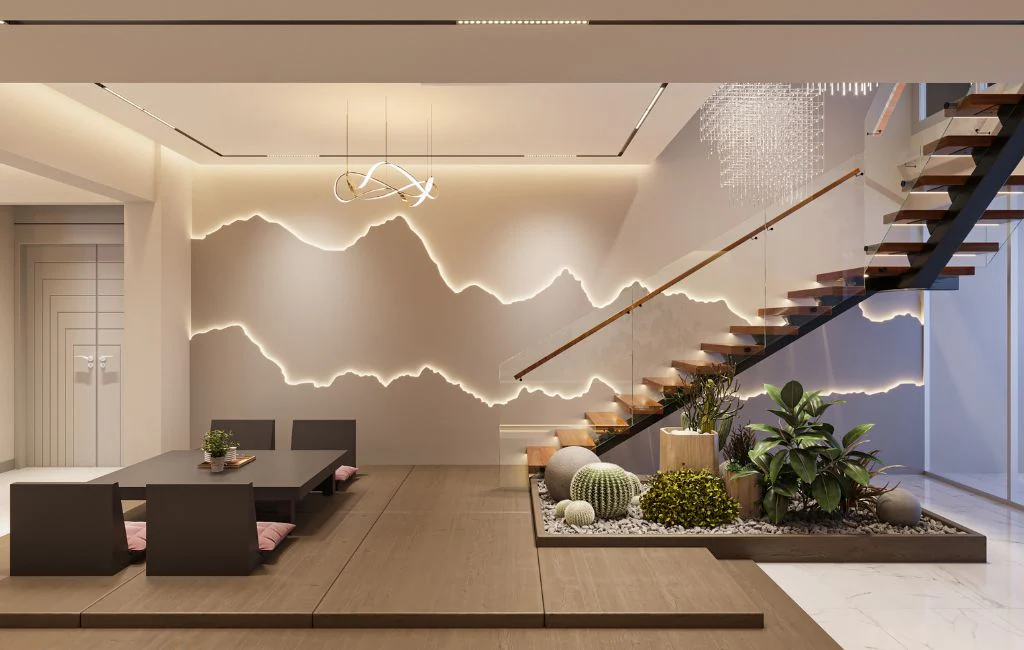
Toronto’s growing design landscape reflects this shift. Commercial interiors now demand lighting solutions that balance architectural intent, durability, and visual clarity rather than relying on generic fixtures or trend-driven selections.
The Role of a Designer Lighting Studio in Commercial Projects
A designer lighting studio in Toronto typically operates at the intersection of design and performance. Rather than offering an overwhelming number of options, these studios focus on curated selections that align with architectural goals and real-world use.
Designers and architects collaborate closely with lighting specialists to evaluate fixture scale, light distribution, glare control, and integration with materials. This process ensures that lighting supports circulation, zoning, and spatial hierarchy without dominating the environment.
Architectural and Designer Lighting in Contemporary Interiors
An architectural & designer lighting collection is defined by intention and consistency. Fixtures are selected not only for appearance but for how they interact with structure, surfaces, and proportions.
Architectural lighting often emphasizes clean lines, indirect illumination, and controlled contrast. Designer lighting complements this by introducing focal elements where appropriate, such as feature pendants in shared areas or refined wall lighting in circulation zones. Together, these elements create balance rather than visual competition.
Curated Lighting Collections for Commercial Use
Curated lighting collections are particularly valuable in commercial environments. Offices, retail spaces, hospitality venues, and public interiors all benefit from lighting systems that are cohesive and predictable in performance.
Studios such as standard shop Toronto are often referenced by design professionals seeking consistency across finishes, output, and installation standards. A curated approach simplifies coordination across large projects while maintaining a clear design language from one space to another.
Lighting as a Tool for Brand and Spatial Identity
In commercial settings, lighting plays a subtle but powerful role in defining identity. Retail environments use focused lighting to guide attention and emphasize product zones. Hospitality spaces rely on layered, warm lighting to support comfort and dwell time.
Workplace environments require balanced lighting that supports focus without fatigue. A designer-led lighting strategy ensures these goals are met through thoughtful selection rather than excessive brightness or decorative distraction.
Materiality, Performance, and Longevity
Commercial lighting decisions must account for long-term use. Designers evaluate how materials age, how fixtures perform over time, and how easily systems can be maintained.
High-quality architectural lighting collections prioritize durability, consistent output, and visual stability. Finishes are selected to reduce glare and wear, while light sources are chosen for reliability rather than novelty.
Conclusion: Purpose-Driven Lighting for Commercial Spaces
Designer lighting studios play a critical role in shaping Toronto’s commercial interiors. By focusing on architectural integration, curated collections, and performance-driven decisions, they help create spaces that remain functional and visually coherent over time.
Whether applied to retail, hospitality, or workplace environments, a considered lighting strategy supports both experience and longevity. When lighting is approached with intention rather than excess, commercial spaces benefit from clarity, comfort, and lasting relevance.